
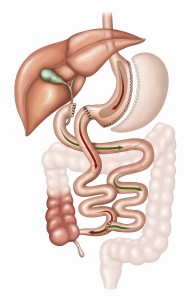
The Duodenal Switch procedure (also called vertical gastrectomy with duodenal switch) is a type of combined malabsorptive and restrictive weight loss surgery. Also known as biliopancreatic diversion with duodenal switch, DS or BDP-DS, the surgery promotes weight loss by restricting the amount of food that can be eaten.
The Duodenal Switch surgery is meant for those who are severely overweight.
The first part of the DS surgery involves the removal of the outer curvature of the stomach while the remaining stomach is shaped into a long, slim sleeve also known as vertical sleeve gastrectomy. The second part (malabsorptive component) of the procedure involves rerouting portions of the small intestine in order to create two separate pathways from the duodenum to the lower portion of the small intestine. This procedure reduces the amount of calories absorbed by the patient’s body.
Here are some of the benefits of Duodenal Switch Surgery:
- Unlike gastric bypass, Duodenal Switch procedure leaves the patient with a larger stomach. This helps the patients to enjoy more satisfying portion sizes. Because of its ability to reduce the body’s need for insulin, this type of surgery is effective for treating Type 2 diabetes. According to some studies, Duodenal Switch surgery is effective in curing Type 2 Diabetes in 99% of cases.
- Most recipients of the Duodenal Switch procedure experience 60 to 85 percent excess weight loss after 18 months. This is higher than that seen in other weight loss surgeries.
- The surgery is just a 3-4 hour procedure with a 1-2 night hospital stay.
- Stomach resection may reduce hunger by eliminating hunger-causing hormones.
- Recovery time ranges from a few days to several weeks.
- Approximately 200-400 calories may be lost through malabsorption.
The Duodenal Switch Biliopancreatic Diversion Surgery is offered to patients weighing over 400 pounds or with severe diabetes. When searching for a weight loss surgeon, ensure that the surgeon has the expertise and experience in performing Duodenal Switch surgery.


